Graduate Certificate in Deafblindness Education
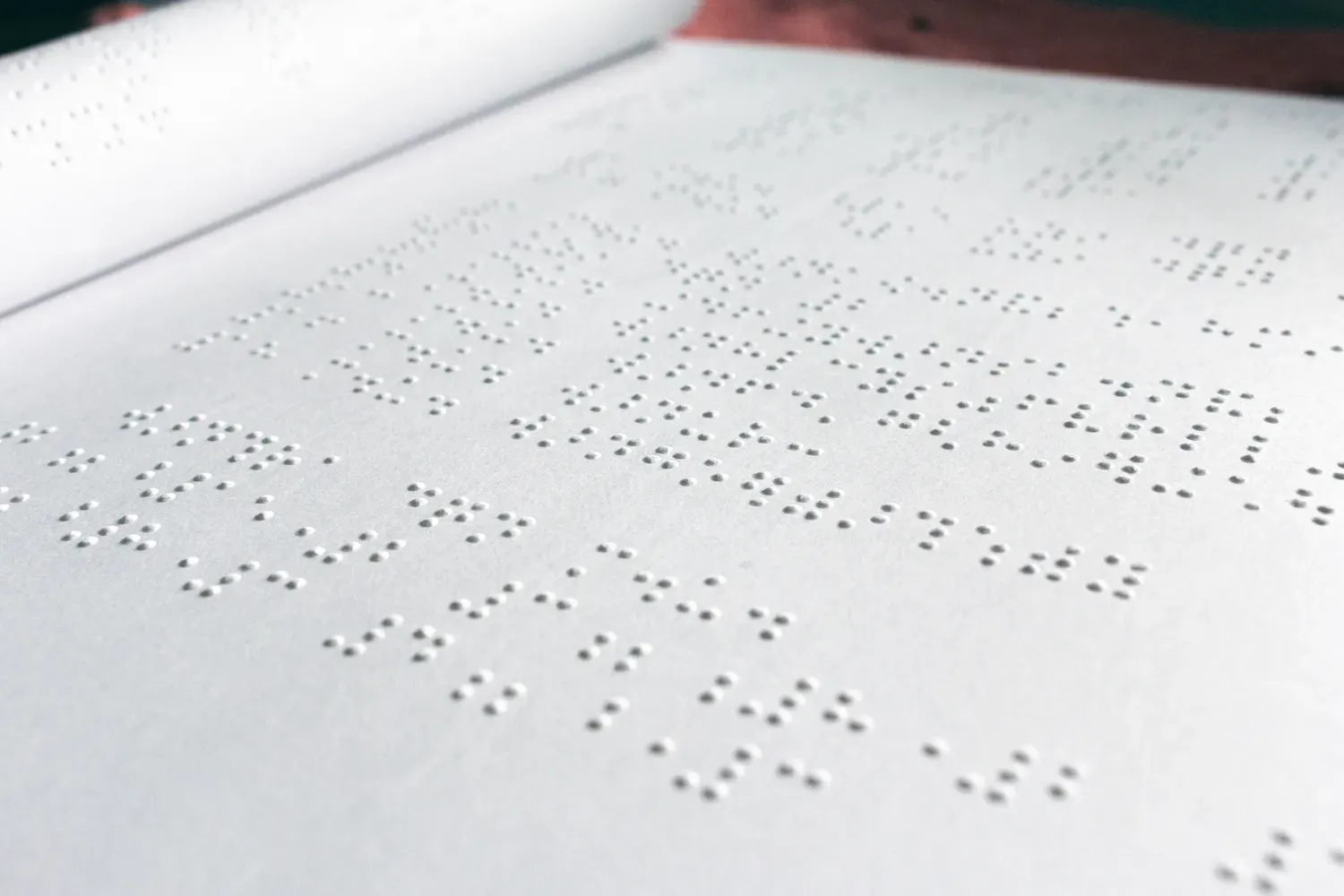
Build the specialized skills to support children with combined hearing-vision loss (Deafblindness). This three-semester online graduate certificate is aligned with the Council for Exceptional Children (CEC) standards for Deafblindness.

Program Overview
The one-year graduate level program in Deafblindness provides students with the in-depth knowledge of the needs and support systems for children with combined hearing-vision loss (Deafblindness). The program is aligned with CEC standards for Deafblindness.
In this three-semester program, you will learn current issues and trends, best communication, evaluation, and teaching strategies, and future planning recommendations to meet the needs of children with Deafblindness.
Offered completely online, the program is designed to provide you with a fast pathway to accelerate your career and support more students. In one year, you will be ready to meet the needs of students with hearing-vision loss through advanced practices.
Teachers with backgrounds serving Visually Impaired (TVIs), Teachers of the Deaf (ToDs), and Intervention Specialists (IS) in the areas of moderate-intensive, mild-moderate, and primary, are given priority consideration for admission into the program.
Program requirements and application for the Graduate Certificate in Deafblindness Education program can be completed online
Career Outcomes
How to Apply
Application Deadline
We are accepting applications for Fall. Application deadline is June 5.
The program is a selective admission program and acceptance is not guaranteed. Students will be notified of acceptance by August 1.
Application requirements
- Complete an Application for Graduate Admission
- Evidence of a B.S. or B.A. degree from an accredited institution.
- Evidence of an overall GPA of 2.75 or greater
- Professional statement including career goals (1-2 pages)
What to include in your personal statement:
- Provide a brief description of your educational background.
- Provide a brief description of your current employment.
- Explain any experiences working with an individual with visual and/or hearing impairments.
- Provide reasons why you believe that you would be an excellent candidate for the program.
- Explain your goals and what you hope to gain from the program.
Admissions Questions:
Graduate Admissions
Phone: (740) 351-3177
Email: gradadmissions@shawnee.edu
Program Questions:
Gail Chinn
Title: Low Incidence Sensory Disabilities Lead Officer
Area: School of Education
Phone: (740) 351-3571
Email: gchinn@shawnee.edu
At A Glance
Graduate Certificate in Deafblindness Education
Degree
Graduate Certificate
Length
1 year (3 semesters)
Class Size
12:1
Why Study Graduate Certificate in Deafblindness Education at Shawnee University
Aligned with CEC standards. The curriculum maps to the Council for Exceptional Children standards for Deafblindness, so your training matches the field's expectations.
Finish in one year. Three semesters of focused, online coursework prepare you to support students with hearing-vision loss in your classroom.
Built for working teachers. Priority admission consideration is given to teachers of students with visual impairments (TVIs), teachers of the Deaf (ToDs), and Intervention Specialists - mild-moderate, moderate-intensive, and primary.
Tuition support available. Full tuition plus books and materials may be covered through the Ohio Department of Education and Workforce, Office for Exceptional Children.
Statewide collaboration. The program is part of the Ohio Deans Compact LISD Collaborative.
Across three semesters, you'll work through characteristics and trends in Deafblindness, communication and sensory needs, assessment and behavioral planning, and collaborating to plan for students' futures.
- Characteristics and current trends in Deafblindness
- Communication and sensory needs of learners with Deafblindness
- Assessment, behavioral, and educational planning
- Collaborative planning and transition to future learning
Coursework pairs hands-on learning with guidance from experienced faculty so you can apply what you study directly in your classroom.
- Meet the educational needs of students with hearing-vision loss (Deafblindness)
- Understand the characteristics, trends, and current issues in the Deafblindness community
- Assess and plan educationally for students with Deafblindness
- Build a foundation for ongoing research and adoption of new techniques in special education
Online with virtual meetings each semester.
- Teacher specializing in Deafblindness (often in combination with TVI or ToD licensure)
- Intervention specialist serving Deafblind students
- Itinerant teacher serving Deafblind learners across schools
- Consultant or coach on Deafblindness for districts
Most students already work in education and add this certificate to expand the populations they can serve.
Tuition and financial aid
Shawnee State's tuition is among the lowest in Ohio, and the Shawnee Advantage Tuition Guarantee keeps your rate flat for four years. Scholarships including Choose Ohio First and the Pell-Eligible Free Tuition Program may also apply.
Financial support is provided by the Ohio Department of Education and Workforce, Office for Exceptional Children.
Graduate Certificate in Deafblindness Education Frequently Asked Questions
Working teachers in special education or sensory disability roles - especially TVIs, Teachers of the Deaf, and Intervention Specialists - who want to add Deafblindness expertise.
One year, across three semesters.
Coursework is online with virtual meetings each semester.
Yes, often. Full tuition assistance plus books and materials may be available through the Ohio Department of Education and Workforce, Office for Exceptional Children.
Program handbook
Contact Gail Chinn for program expectations and admission information.
Gail Chinn
Title: Low Incidence Sensory Disabilities Lead Officer
Area: School of Education
Phone: (740) 351-3571
Email: gchinn@shawnee.edu
Accreditation
Part of the Ohio Deans Compact LISD (Low-Incidence Sensory Disabilities) Collaborative. Aligned with Council for Exceptional Children (CEC) standards for Deafblindness. Shawnee State University is accredited by the Higher Learning Commission.
