Social Work Minor
Build a working foundation in social work — mission, values, ethics, and the real practice of helping people — and add a field experience that puts the classroom into a real setting. Twenty-one credit hours; fits many majors.

Program Overview
The social work minor at Shawnee State University introduces students to the mission, values, and practices of the social work profession. Designed for students majoring in any discipline, this minor in social work prepares you to address both individual and societal challenges through the practical application of professional knowledge, ethics, and skills. By exploring the connection between human behavior, social institutions, and advocacy, you will be better equipped to make a meaningful impact in your community and beyond.
Social work courses are an excellent complement to many majors, enhancing your marketability and helping you stand out in competitive job markets. Whether you're interested in psychology, education, criminal justice, healthcare, or public policy, the skills and insight gained through social work classes provide a solid foundation in behavioral science and community engagement.
At Shawnee State, you'll benefit from small class sizes, dedicated faculty, and hands-on learning experiences. Our focus on student success and applied learning ensures that you graduate prepared to serve, lead, and create change.
At A Glance
Social Work Minor
Degree
Minor
Format
On campus
Length
Typically completed alongside a bachelor's degree
Credits
21 credit hours
Why Study Social Work Minor at Shawnee University
You learn the mission, values, ethics, and core practice skills of the profession — not just theory — and then test them in a supervised field experience. The two elective groups (Human Behavior in the Social Environment and Cultural Competency & Political Advocacy) let you steer toward your interests — children and families, aging, mental health, criminal justice, or policy and advocacy.
It's a strong complement to majors in psychology, education, criminal justice, healthcare, public policy, and political science.
Employers in those fields value graduates who understand how systems and people interact. Small classes and applied learning mean you graduate ready to serve, lead, and add value in any role that involves working with people.
The Social Work minor is 21 credit hours. Courses with grades below C — or taken pass/no-credit — don't count. Up to 9 credit hours may also count toward your major. MATH 1500 (Principles of Statistics) is recommended, along with coursework in sociology, psychology, economics, political science, human biology, and American history.
- Required core (9 credit hours): SOCI 2204 — Introduction to Social Work; SOCI 3305 — Social Work Practice; SOCI 4403 — Field Experience in Social Work
- Group 1 — Human Behavior in the Social Environment (6 credit hours): Choose two from Child and Adolescent Psychology; Psychology of the Adult; Death and Dying; Abnormal Psychology; Health Psychology; Counseling Psychology; Introduction to Social Welfare; Sociology of Aging; Human Sexuality; Sociology of the Family; Nonverbal Communication; Social Deviance
- Group 2 — Cultural Competency & Political Advocacy (6 credit hours): Choose two from Modern Political Theory; National Policy Issues; Women and Politics; Social Psychology; Psychological Study of Contemporary Problems; Introduction to Social Welfare; Current Social Problems; Social Institutions; Urban Sociology; Gender Socialization; Sociology of Culture; Sociology of Appalachia; Applied Sociology; Race and Social Control; Sociology of Religion (one only)
The minor's required Field Experience in Social Work (SOCI 4403) puts you in a real social service setting under faculty supervision. You apply the theory and skills from earlier coursework, build a professional reference network, and find out — before you graduate — what the day-to-day of social work actually looks like.
- Psychology majors interested in clinical, counseling, or applied work
- Sociology majors who want practice skills alongside their analytic background
- Criminal Justice majors heading into roles that touch human services
- Education and Health Sciences majors who'll work with students, patients, and families in vulnerable situations
- Political Science and Public Health majors interested in policy that touches social welfare
- Anyone planning graduate study in social work, counseling, or related fields
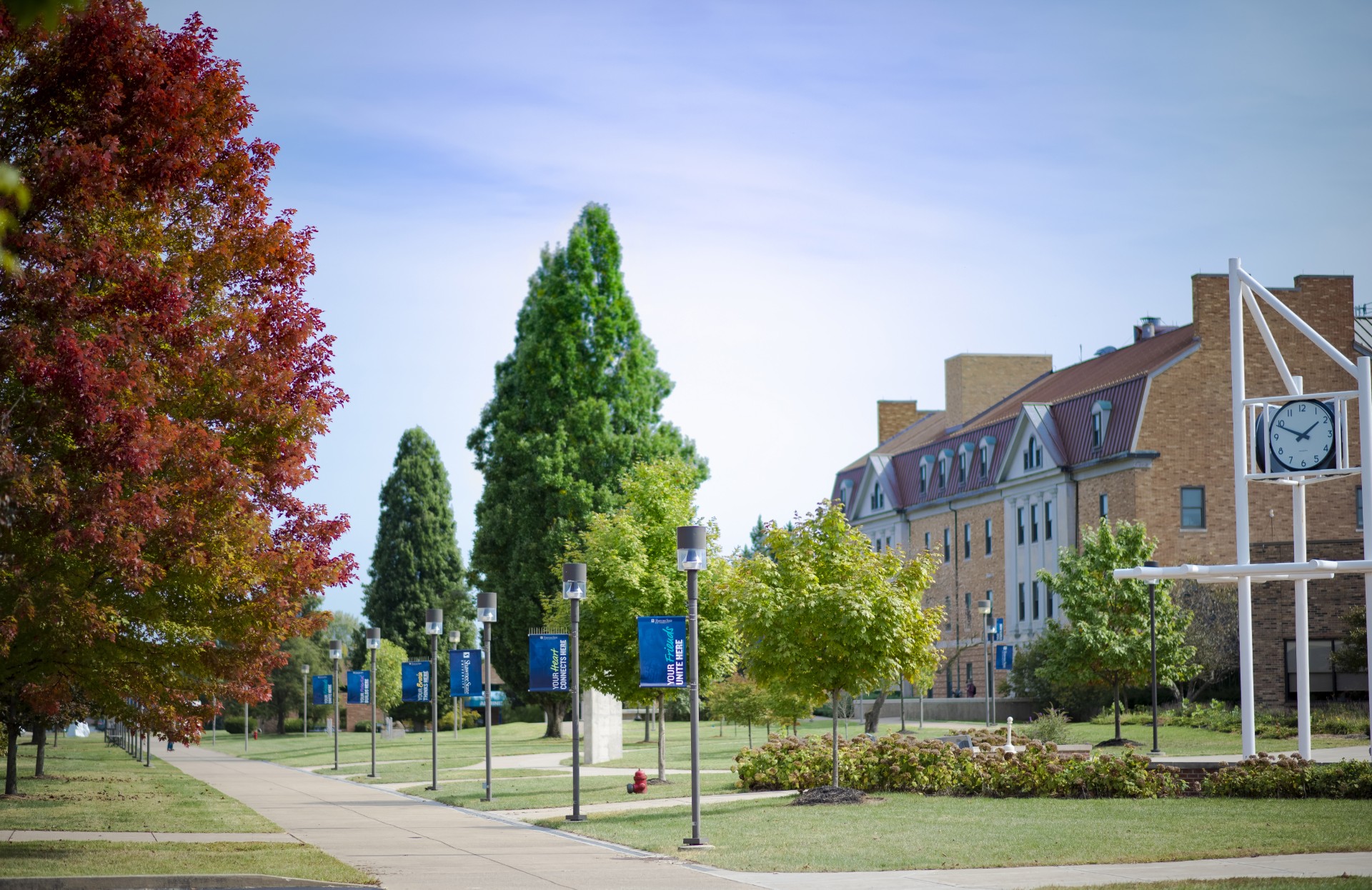
Courses meet on Shawnee State's Portsmouth campus, primarily in Massie Hall; the field experience takes place at a partner agency in the region.
Social Work Minor Frequently Asked Questions
No. Licensure requires the BSW or MSW degree and a state licensing process. The minor gives you a working introduction to the field and a useful credential, but it doesn't replace the degree for licensure.
You're placed in a social service setting and supervised by faculty. Expectations and hours are defined in the course syllabus and depend on the agency placement. Your advisor and the field-experience instructor walk you through site selection.
Yes — it shows admissions committees you've taken core social work theory, practice, and a field experience. It's a strong complement to majors that don't include social work coursework.
Coursework is delivered on campus; the field experience is in person at a partner agency. Confirm any specific course's format with your advisor.
