Psychology Minor
Build a working understanding of how people think, feel, and act — and pick up the analytical and interpersonal skills employers and graduate programs look for. Eighteen credit hours; fits any major.
Program Overview
Request more information and explore how a psychology minor can add value to your degree and expand your career opportunities.
At A Glance
Psychology Minor
Degree
Minor
Format
On campus
Length
Typically completed alongside a bachelor's degree
Credits
18 credit hours
Why Study Psychology Minor at Shawnee University
Two required courses give you a foundation; then you choose six credits of clinical electives and six of experimental electives — so the minor covers both how psychologists work with people and how they study behavior scientifically.
Topics span the lifespan and applied fields: child and adolescent development, abnormal psychology, personality, health psychology, social psychology, neurobiology of behavior, and more.
The interpersonal, analytical, and research skills you build apply to almost every field — healthcare, business, education, social work, criminal justice, communication. Small classes and faculty who actually know your name make it easier to ask questions, follow ideas, and get useful feedback on your work.
The Psychology Minor is 18 credit hours. A grade of C or better is required in all courses, and no more than 9 credit hours may overlap with psychology coursework used in your major.
- Core (6 credit hours): PSYC 1101 — Introduction to Psychology; PSYC 2130 — Child and Adolescent Psychology
- Clinical electives (6 credit hours): Choose from Psychology of the Adult; Death and Dying; Personality; Psychology of Women and Gender; Abnormal Psychology; Health Psychology
- Experimental electives (6 credit hours): Choose from Quantitative Methods in Psychology; Experimental Psychology; Social Psychology; Positive Psychology; Neurobiology of Behavior; Psychology of Work — and more
The Psychology minor is a strong fit for any career where understanding people, motivation, and interaction is part of the work.
- Biology and Health Sciences majors heading into clinical, nursing, or research careers
- Social Work and Criminal Justice majors who work directly with clients and communities
- Education majors preparing to teach across developmental stages
- Business majors interested in marketing, HR, leadership, or organizational behavior
- Communication majors building careers in media, PR, or counseling-adjacent fields
- Pre-medicine and pre-physical-therapy students rounding out their behavioral science background
- Anyone considering graduate study in psychology, counseling, or a related field
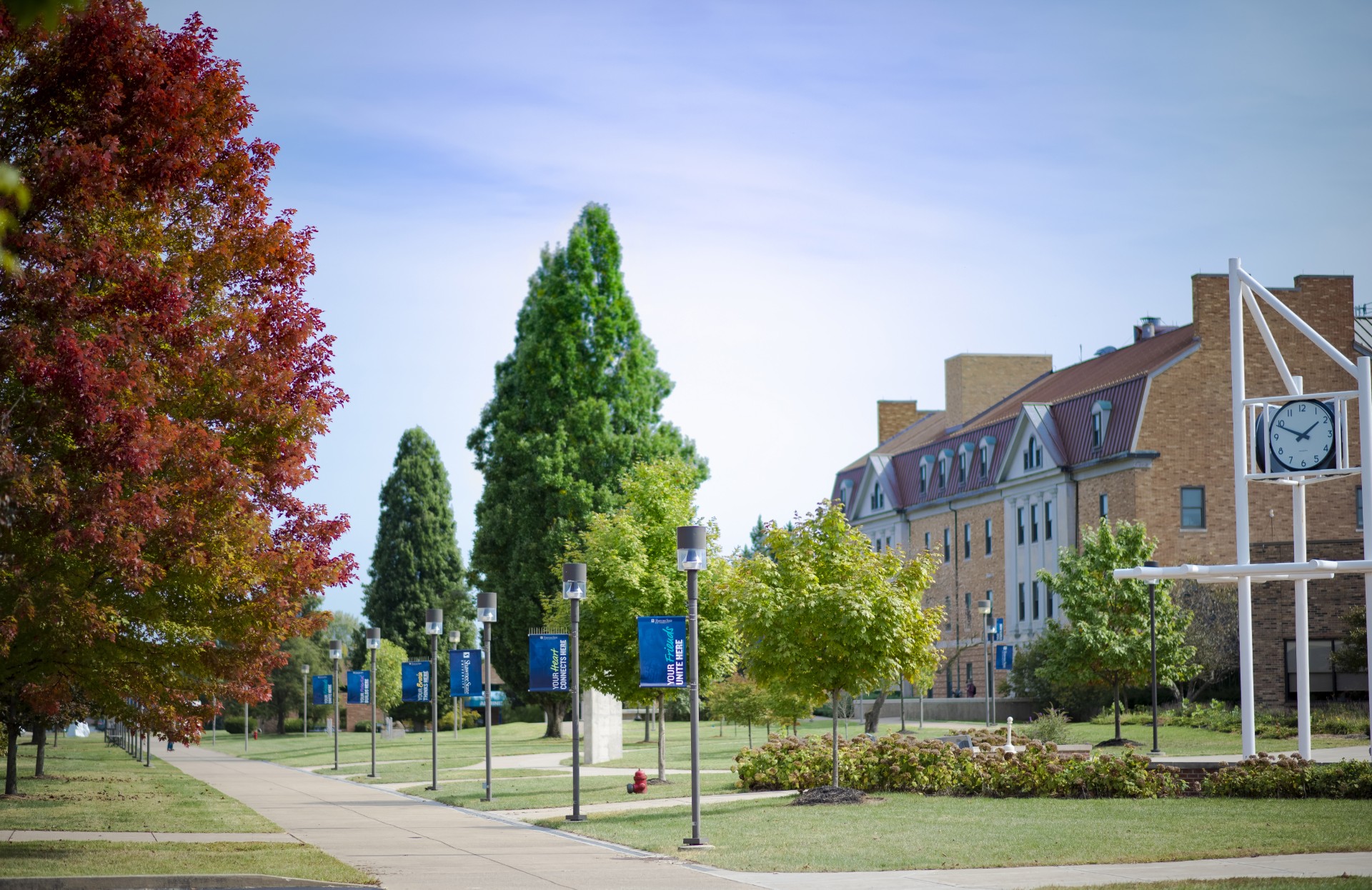
Courses meet on Shawnee State's Portsmouth campus, primarily in Massie Hall.
Psychology Minor Frequently Asked Questions
Clinical electives focus on how psychologists understand and work with individual people — development, personality, mental health, applied settings. Experimental electives focus on how psychologists study behavior systematically — research methods, social psychology, neurobiology. The minor includes both so you get a full picture.
The minor is a useful background but not a replacement for a Psychology major if you're heading into a Psy.D., Ph.D., or clinical master's. Talk with your advisor and the target program about prerequisites.
Up to 9 credit hours may overlap with psychology coursework used in your major.
Courses are offered on campus; some sections may be available online or hybrid. Confirm with your advisor.
