Anthropology Minor
Study what makes us human — across cultures, time, and place. A 19-credit minor that pairs cleanly with any major and sharpens how you read people, history, and difference.
Program Overview
Ideal for students majoring in disciplines such as psychology, social work, political science, communication, education, and business, the minor in sociology, adds depth to your academic experience and enhances your readiness for careers in law, journalism, social services, counseling, and more. It also provides a strong foundation for graduate study in the social sciences.
At A Glance
Anthropology Minor
Degree
Minor
Format
On campus
Length
Typically completed alongside a bachelor's degree
Credits
19 credit hours
Why Study Anthropology Minor at Shawnee University
You'll work across all four subfields — cultural anthropology, biological anthropology, archaeology, and linguistics — so you leave with a real sense of the discipline, not a sampling of one corner of it.
The skills travel. Reading cultures, analyzing behavior, comparing evidence across time and place — that's useful in healthcare, business, education, gaming, the sciences, anywhere you work with people who don't think exactly like you do.
You can choose three electives from a broad list — ethnography, forensic anthropology, MesoAmerica before Columbus, Indians of North America, the anthropology of death — so the minor takes the shape of what you're curious about.
Classes are small. Faculty know your name and what you're working on, and you get the kind of conversation and feedback that doesn't happen in a 200-person lecture.
The minor is 19 credit hours: three required foundational courses (10 hours) plus three electives (a minimum of 9 hours) chosen from a list spanning archaeology, cultural anthropology, biological/forensic anthropology, and linguistics.
- Required core (10 credit hours): Introduction to Archaeology, Principles of Cultural Anthropology, Biological Anthropology
- Choose three electives (minimum 9 credit hours) from: Ethnography; Forensic Anthropology; MesoAmerica Before Columbus; Indians of North America; Anthropology of Death and Mortuary Practice; World Prehistory and Archaeology; Language and Linguistics
- All four subfields represented: cultural, biological, archaeological, and linguistic anthropology
The Anthropology minor pairs well with almost any major. It's especially useful if you're heading into work that involves understanding people, culture, or behavior.
- Business majors who want to work with global teams and customers
- Nursing and health sciences majors who'll work with patients from many backgrounds
- Education majors preparing to teach in diverse classrooms
- Science majors interested in human evolution, behavior, or biology
- Gaming and digital media majors building characters, worlds, and narratives
- Any student looking to add cultural depth, critical thinking, and research skills to their primary degree
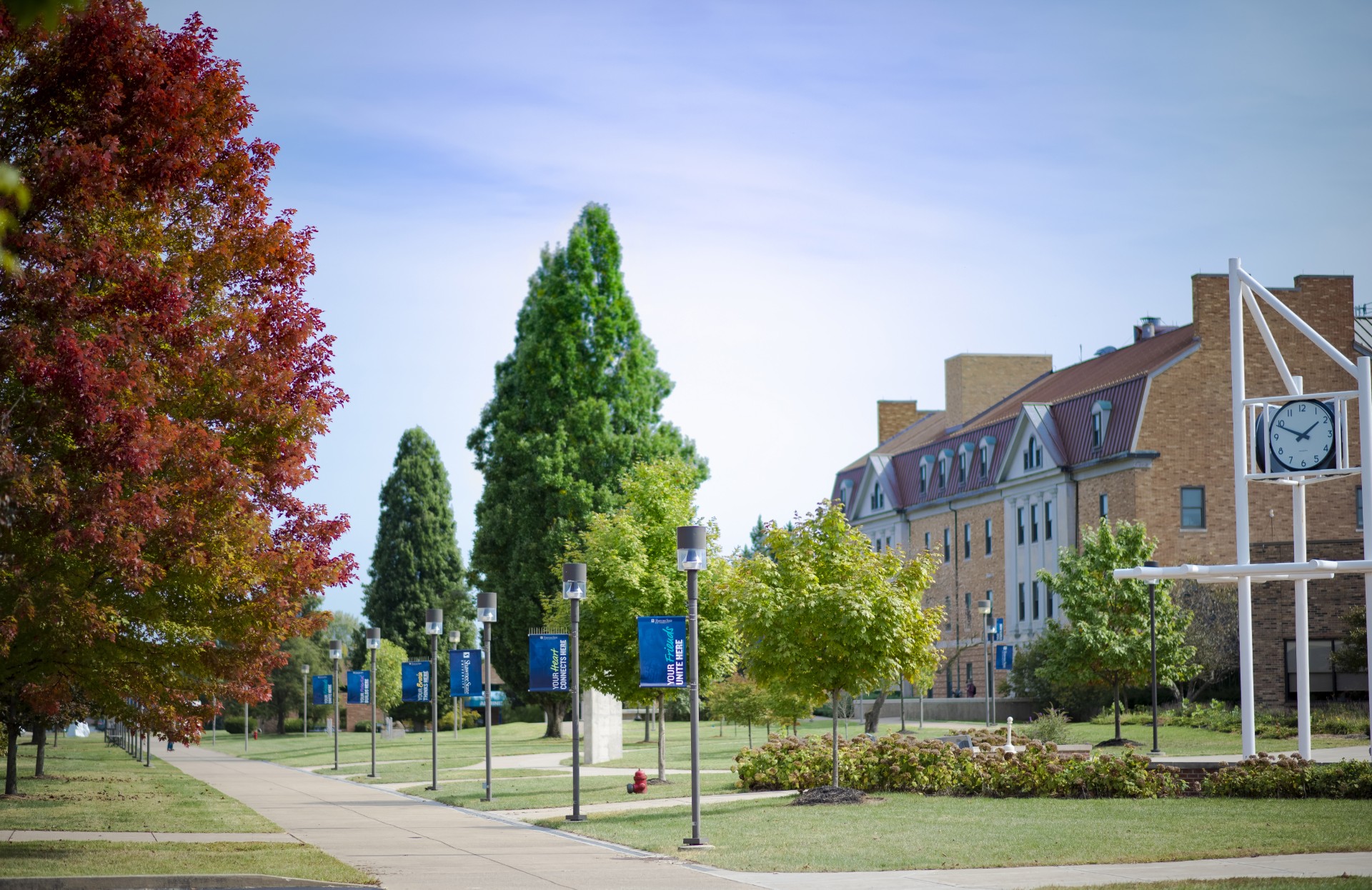
Courses meet on Shawnee State's Portsmouth campus, with most Social Sciences classes in Massie Hall.
Anthropology Minor Frequently Asked Questions
Nineteen credit hours — 10 hours of required core courses (Introduction to Archaeology, Principles of Cultural Anthropology, Biological Anthropology) and a minimum of 9 elective hours.
Yes. The minor is open to students in any major and is designed to complement your primary degree.
Department policy generally limits double-counting between a minor and a major to 9 credit hours. Check with your advisor on which specific courses can count both ways.
