Mathematical Sciences Minor
Build the quantitative reasoning and problem-solving employers and graduate programs ask for — and tailor your electives to match where your major is taking you.
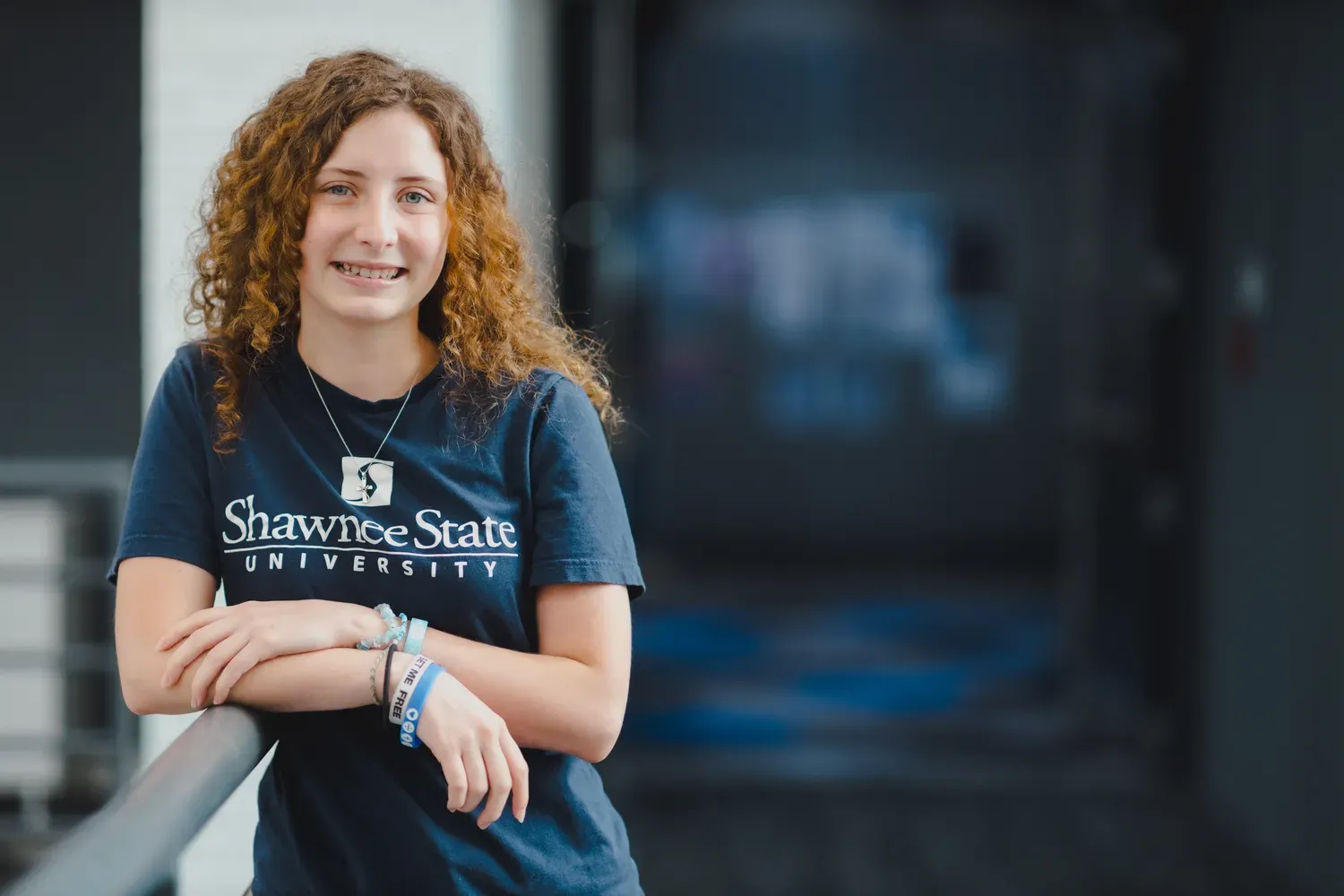
Program Overview
The Mathematical Sciences Minor at Shawnee State University provides a flexible and rigorous foundation in applied mathematics. Open to students in any major, this math minor strengthens quantitative reasoning, problem-solving, and data analysis skills that are essential across fields like business, engineering, healthcare, and computer science. With customizable course options and advanced electives, students can tailor their path to align with their academic and professional goals.
At A Glance
Mathematical Sciences Minor
Degree
Minor
Format
On campus
Length
Complete alongside your major
Credits
Minimum 20
Why Study Mathematical Sciences Minor at Shawnee University
You'll get a real calculus and linear-algebra foundation, not a survey course — Calculus 1 and 2 are required, with a choice of algorithms, discrete math, or linear algebra as your third core course.
Nine elective credits at the 2000 level or above let you focus the minor on statistics, applied math, modeling, or more abstract math — based on where your major is taking you.
The minor is built for students in any major. Business, engineering, biology, chemistry, computer science, and health sciences students all use it to deepen their quantitative work.
Faculty teach in small classes and know you by name — useful when you need a recommendation, an advisor for an independent project, or help planning toward graduate study.
The Mathematical Sciences minor is a minimum of 20 credit hours: 11–12 hours of core requirements and 9 hours of upper-level electives.
- Core (11–12 hrs.): MATH 2110 Calculus 1 and MATH 2120 Calculus 2
- Choose one: ETEC 3401 Algorithms, MATH 2200 Discrete Math with Graph Theory, or MATH 2300 Linear Algebra
- Electives (9 hrs.): three additional MATH or STAT courses at the 2000 level or above
- Note: MATH 2410 and MATH 2420 may not be used toward the minor
- Business, finance, and economics majors who want stronger quantitative tools
- Engineering technology and computer science majors
- Biology, chemistry, and natural sciences majors planning research or graduate study
- Health sciences majors heading toward data-heavy clinical or research work
- Any student whose career path includes data, analysis, or technical problem-solving
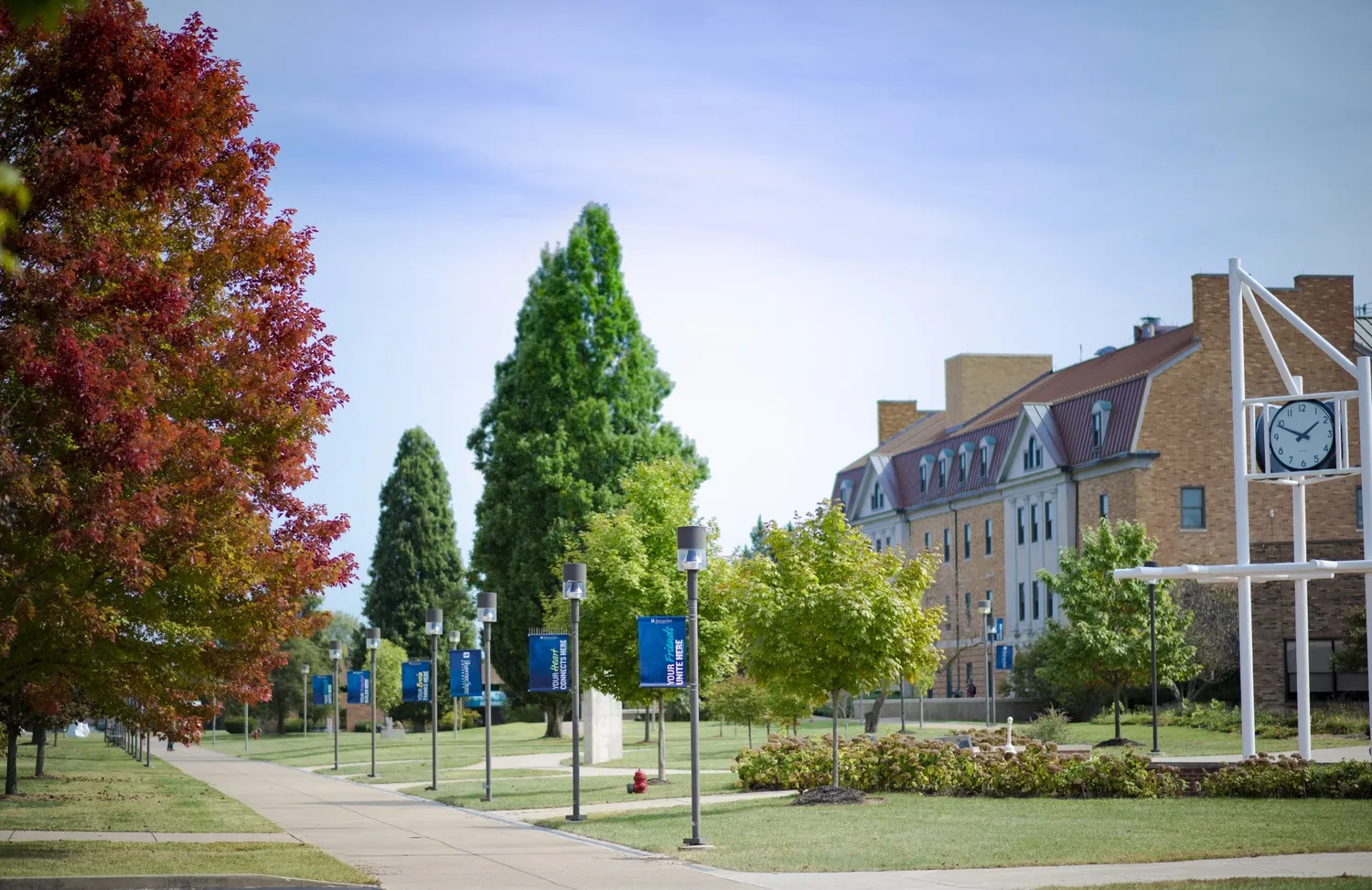
Coursework is taught on the Portsmouth campus, with the Department of Mathematical Sciences housed in the Mathematics and Sciences area of the campus.
Mathematical Sciences Minor Frequently Asked Questions
Yes, if you haven't already taken it. Math placement and your advisor will help you confirm where to start.
Yes. The 9 elective hours can be MATH or STAT courses at the 2000 level or above, so you can lean into statistics, applied math, modeling, or more abstract math based on your goals.
Usually no, if you start planning early. Many students fold the 20 hours into their existing schedule. Your advisor will help you map it out.
