Bachelor’s Degree in Plastics Engineering Technology
Plastics show up in everything — cars, medical devices, packaging, electronics. Shawnee State's ABET-accredited B.S. in Plastics Engineering Technology — one of only four in the country — gets you working with real materials and equipment from day one.
Program Overview
The Bachelor's Degree in Plastics Engineering Technology at Shawnee State University is a specialized program for students who are curious about how the plastic products we use every day are made. From car parts and medical devices to simple bottles and toys, plastics are everywhere. This degree focuses on understanding how to design, process, test, and develop all sorts of plastic applications. If you are interested in how materials are transformed into useful objects and want to be involved in the making of future products, this program could be an exciting path for you.
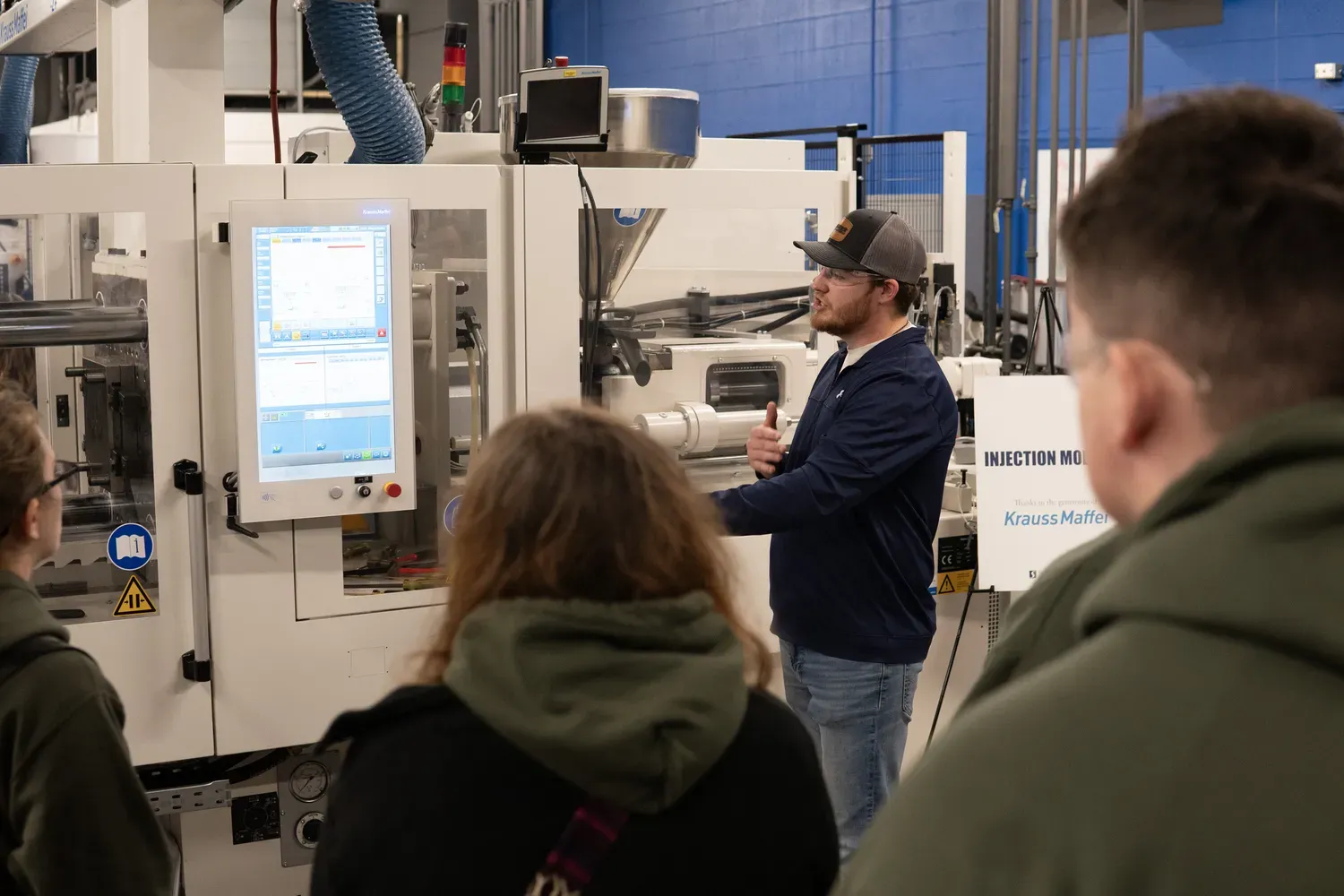
This program combines general subjects with deep dives into the world of plastics. You'll learn about plastics manufacturing, the science behind different plastics (chemistry and physics), and advanced math, all while building strong engineering skills. A big part of your learning will be hands-on, meaning you will spend a lot of time working directly with plastics and machines in labs, not just reading about them. You will also develop important communication skills, which are key for working with customers and colleagues in the industry. From your first year, you will be actively engaged in plastics processing courses, gaining practical experience right away.
Shawnee State University's Plastics Engineering Technology program is one of only four programs in the country that is accredited by ABET (Accreditation Board for Engineering and Technology). This accreditation means the program meets very high national standards for quality and prepares you for a successful career. Beyond that, you'll benefit from smaller class sizes, which allows for more one-on-one time with your instructors. These professors have real-world experience in the plastics industry, offering valuable insights and mentorship. Plus, the university provides state-of-the-art facilities with the latest plastics manufacturing equipment, giving you hands-on experience that employers are looking for. You will also have access to a network of multiple manufacturers world-wide with opportunities for internships.
Choosing the Plastics Engineering Technology degree at Shawnee State University is a valuable decision for your future. The tuition is among the lowest in Ohio, and for an ABET-accredited engineering technology program, that's truly a remarkable value. This affordability makes a top-notch education accessible. The program offers some flexibility in its courses and schedules, which can help you balance your studies with other life commitments. Graduates from this program have a variety of career options, often working as process engineers, design engineers, or production managers in large manufacturing companies, and some even go on to graduate school for further education.
Career Outcomes
How to Apply
-
Start your application
Free, takes about 15 minutes.
-
Send transcripts
Have your high school guidance counselor send them to admissions@shawnee.edu
-
File the FAFSA
School code 009942. Required for financial aid.
-
Get your decision
Most admission decisions in under 7 days.
At A Glance
Bachelor’s Degree in Plastics Engineering Technology
Degree
B.S.
Format
On campus
Length
4 years
Class Size
12:1
Location
Advanced Technology Center, Main Campus
Why Study Bachelor’s Degree in Plastics Engineering Technology at Shawnee University
It's one of only four ABET-accredited Plastics Engineering Technology programs in the country — and the only one in Ohio. Accreditation matters: it tells employers your degree meets nationally recognized standards.
You'll work hands-on with industry-standard equipment from the start. Coursework is built around the labs, not the other way around.
The program has deep ties to global plastics manufacturers, which means internships and a network already in place when you graduate.
Faculty have real plastics-industry experience and small class sizes mean you get direct mentorship — not lecture-hall anonymity.
An ABET-accredited engineering technology degree at among the lowest tuition rates in Ohio is genuinely rare value.
Beyond the General Education Program (GEP), the B.S. in Plastics Engineering Technology includes:
- 19 credit hours of math and science
- 53 credit hours of Plastics Engineering Technology coursework
- 9 credit hours of technical electives
Coursework spans plastics manufacturing and processing, polymer chemistry, engineering design, communication, and applied mathematics — built around lab work from the start of year one.
View the full curriculum and sample schedule in the Academic CatalogYou'll spend significant time in the labs working with real plastics processing equipment, much like the environments you'll see on the job. Internships with global manufacturers are part of the network, giving you actual industry experience — and often a job offer — before you graduate.
By the time you finish the program, you'll be able to:
- Apply math, science, engineering, and modern tools to solve real engineering problems in plastics and manufacturing
- Design systems, components, or processes that meet defined engineering requirements
- Communicate technical work clearly in writing, speaking, and graphics — and use appropriate technical literature
- Conduct standard tests, measurements, and experiments, then analyze results to improve processes
- Function effectively as a team member and as a team leader
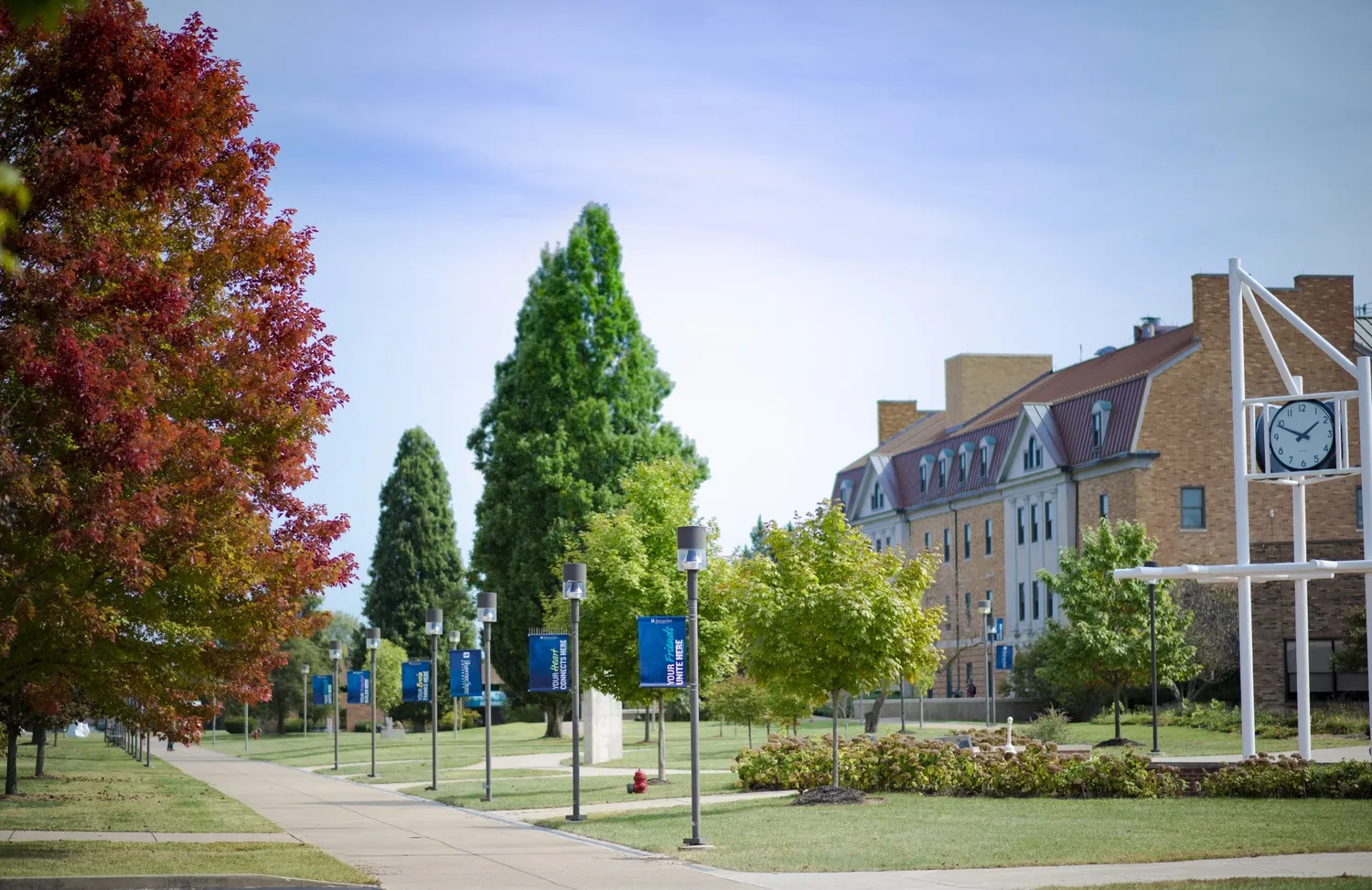
The Plastics Engineering Technology B.S. is offered through the Department of Engineering Technology in the College of Business and Engineering Technology. Classes meet in the Advanced Technology Center on Shawnee State's Main Campus in Portsmouth, Ohio, where you'll have access to industry-standard plastics processing equipment.
Graduates work at large manufacturing companies in roles like:
- Process engineer
- Design engineer
- Project engineer
- Production manager
- Quality engineer
- Materials specialist
The plastics industry sits behind nearly every modern product. Many graduates also continue on to graduate school in engineering or materials science.
Free Tuition and Financial Aid
Shawnee State's tuition is among the lowest in Ohio, and the Shawnee Advantage Tuition Guarantee keeps your rate flat for four years. Scholarships including Choose Ohio First and the Pell-Eligible Free Tuition Program may also apply.
See if you Qualify for Free Tuition
Ohio students can apply to receive a $1,500 scholarship up to full-tuition when you apply and are accepted.
Learn More about Choose Ohio First$3,000 Scholarships supported by Intel are also available!
Bachelor’s Degree in Plastics Engineering Technology Frequently Asked Questions
Graduates work at large manufacturing companies as process engineers, design engineers, project engineers, and production managers. Many also continue on to graduate school.
Plastics manufacturing, automotive, medical devices, packaging, consumer products, aerospace — anywhere plastics are designed, processed, or specified, there's demand.
ABET is the recognized accreditor for engineering and engineering technology programs. Accreditation tells employers your degree meets national quality standards. Shawnee State is one of only four ABET-accredited Plastics Engineering Technology programs in the country.
Yes. The program has active relationships with global plastics manufacturers, and internships often lead to full-time offers.
Program handbook
For questions about program policies, learning expectations, or requirements, contact:
Accreditation

The Plastics Engineering Technology program is accredited by the Engineering Technology Accreditation Commission of ABET — one of only four such programs in the country and the only one in Ohio. ABET accreditation reflects sustained quality across alumni achievement, employment outcomes, industry partnerships, and advisory board engagement.
