Free Speech on Campus
Open debate and dialogue, sharing ideas and opinions, and free expression of differing views are all vital parts of education — and rights protected by the First Amendment.
Students, recognized student groups (and those seeking recognition), faculty, staff, and their invited guests enjoy expansive constitutional rights to free expression on campus. The University and its administration will not prohibit any member of the campus community from engaging in lawful, noncommercial free expression to the extent that it does not disrupt the functioning of the University.
These rights apply to verbal, written, and electronic means, including protests, speeches, literature distribution, and circulating petitions.
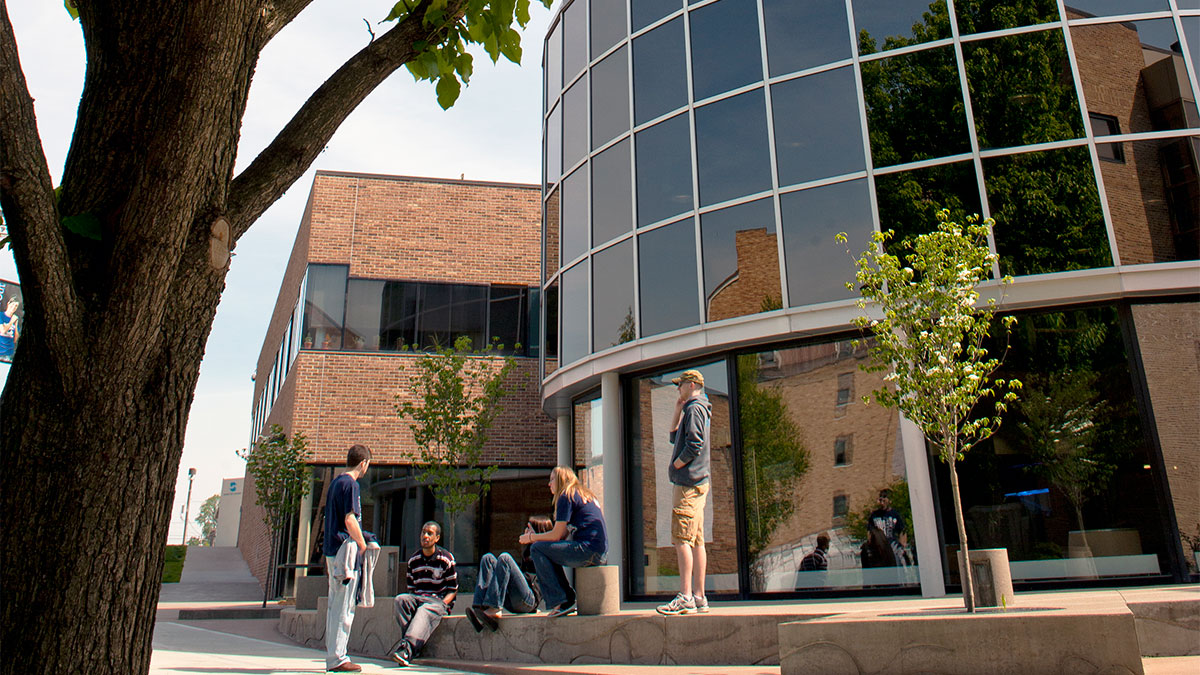
Expressive activity is permitted in outdoor areas of campus where the campus community is generally allowed, such as grassy areas, walkways, and common areas. The University does not limit free expression to any designated “free speech zones.”
Limitations to Free Expression
Despite broad rights to free expression, there are limitations. The University may restrict expression that is not constitutionally protected, including:
- Obscenity
- Fighting words - directed to an individual and which tend to provoke immediate violent reaction
- True threats - where speaker means to communicate a serious expression of intent to commit an unlawful act of violence to an individual or group of individuals
- Incitement of immediate unlawful action
- Defamation
- Any other speech that constitutes a crime
- Harassment – unwelcome conduct that is so severe, pervasive, and objectively offensive that it effectively denies an individual equal access to their education program or activity
Additionally, members of the campus community may not, under the guise of free expression, knowingly interfere with others’ rights to freely express themselves such as by engaging in violence or threats, or physically blocking others from attending legal gatherings.
When the University has a significant interest in restricting free expression to certain times, places, or manners, reasonable limitations may be imposed, including noise limits, maximum numbers of individuals assembled, bans on late evening or early morning demonstrations, and restrictions on the size or placement of signs on University property.
Any limitations shall not be based on the content of the expression or any viewpoint expressed. In such rare cases, Shawnee State will allow for ample alternative means for expressive activity and allow members of the campus community to spontaneously assemble and distribute literature.